Research Projects
The Drama of Diakonía – Towards a Pastoral Theology of diaconal Spirituality

Diakonía is a key word in practical theology as well as in understanding the Church and its relationship to society and people. The term is often used one-sidedly in the sense of “humble service” or as a “social service” to others, with an active role of “social work” within the churches. Diaconal spirituality, however, goes much deeper. Due to new philological discoveries, there has presented itself a need to reinterpret diakonía and its spirituality in the dramatic and powerful cultural and socio-economic contexts of our time. The study will develop a new understanding of diaconal spirituality, focusing on the main insights, theories and controversies discussed by individuals and church bodies in relation to diakonía. This research in the field of pastoral theology and aesthetics seeks to advance theological thinking about diaconal spirituality and its relationship to the human quest for meaning. To this end, the first part of the study (Terminology and Thesis) offers an analysis of the problem of terminology. The second part (Diaconal Spirituality) deals with a theoretical overview and a methodological approach to the diaconal spirituality of the human person in the drama of diakonía. The final part (Towards a Contemporary Pastoral Theology) brings this human drama and its spirituality into dialogue with the fields of pastoral aesthetics and practical theology, so as to carefully reinterpret from ancient sources the earliest Christian sources on diakonía.

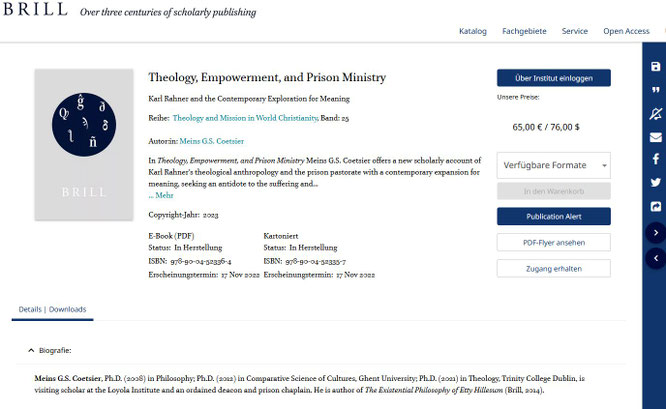
Theology, Empowerment, and Prison Ministry
Karl Rahner and the Contemporary Exploration for Meaning
Theology and Mission in World Christianity, Volume: 25

Theology, Empowerment, and Prison Ministry
Karl Rahner and the Contemporary Exploration for Meaning
Reihe:
Theology, Empowerment, and Prison Ministry
Theology, Empowerment, and Prison Ministry
Karl Rahner and the Contemporary Exploration for Meaning
Reihe:
Theology, Empowerment, and Prison Ministry
Karl Rahner and the Contemporary Exploration for Meaning
Reihe:
Theology, Empowerment, and Prison Ministry
Karl Rahner and the Contemporary Exploration for Meaning
Reihe:
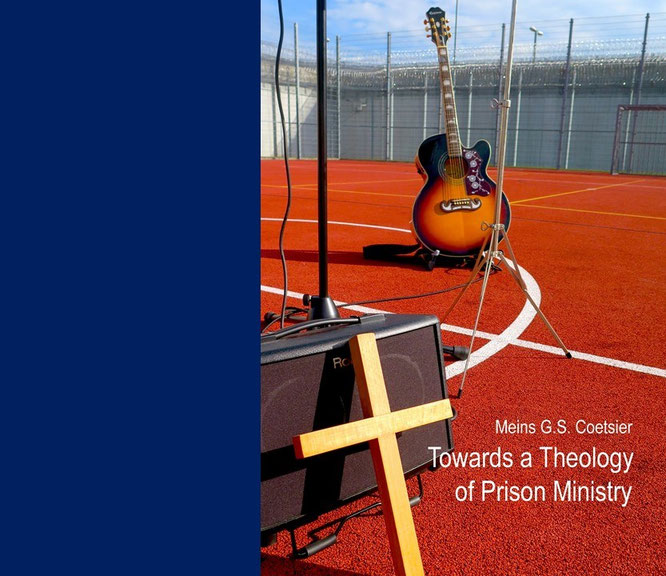
PhD * Towards a Theology of Prison Ministry
- Trinity College Dublin:
- TARA (TCD's open access repository):
http://www.tara.tcd.ie/handle/2262/96469
- Katholische Gefängnisseelsorge in Deutschland e.v.:
https://gefaengnisseelsorge.net/zeitgemaesse-theologie-der-gefaengnisseelsorge
- Loyola Institute (TCD):
https://www.tcd.ie/loyola-institute/postgraduate/completed-postgraduate-research/
Aesthetic Mirrors: Etty Hillesum and Rainer Maria Rilke
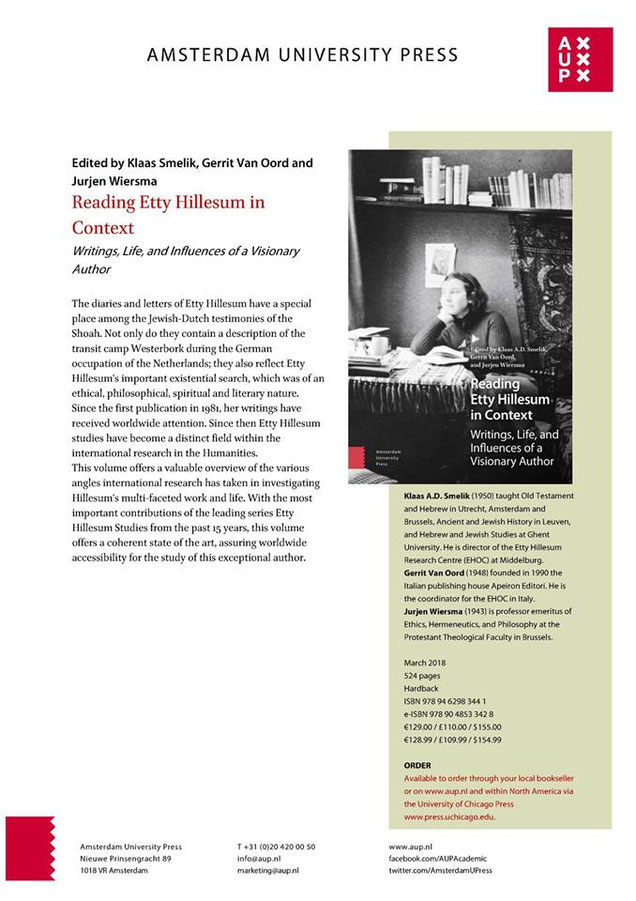
Coetsier, Meins G. S., "'Aesthetic Mirrors': Etty Hillesum and Rainer Maria Rilke." In: Reading Etty Hillesum in Context: Writings, Life, and Influences of a Visionary Author, eds. Klaas Smelik, Gerrit van Oord, and Jurjen Wiersma. Amsterdam: Amsterdam University Press, 2018.
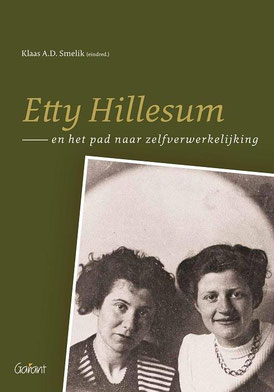
In zijn bijdrage Vrijheidsberoving als menselijke grenssituatie stelt Meins G.S. Coetsier de vraag naar zingeving in confrontatie met de aangrijpende ervaringen van vrijheidsberoving als menselijke grenssituatie ten tijde van oorlog, onderdrukking en tirannie. Een dergelijk ingrijpende ervaring heeft Etty Hillesum uiteindelijk het leven gekost. In het huidige Europa, door toenemend ideologisch extremisme in onze westerse cultuur, is vrijheid niet vanzelfsprekend. Omdat Hillesum de menselijke existentiële vrijheid, de beroving daarvan en de ervaringen van gevangenschap beeldend wist te omschrijven, plaatst de auteur haar uitspraken en ervaringen in het licht van het gedachtegoed van de Joodse psychiater-neuroloog Viktor E. Frankl (1905-1997). Coetsier concentreert zich op het spanningsveld tussen vrijheid en gevangenschap, dat bij Frankl en Hillesum een bijzondere plaats inneemt: de beroving van menselijke vrijheid als existentiële grenssituatie en de zoektocht naar een diepere zin, wetende dat slechts de liefde de mens kan verlossen.
-------------------------
Over de auteur(s):
De serie Etty Hillesum Studies is een uitgave van het Etty Hillesum Onderzoekscentrum in Middelburg en staat onder redactie van: Klaas A.D. Smelik, Julie Benschop, Lotte Bergen, Marja Clement, Meins G.S. Coetsier, Gerrit Van Oord en Jurjen Wiersma.


Etty Hillesum in weerwil van het Joodse vraagstuk (EHS 8)
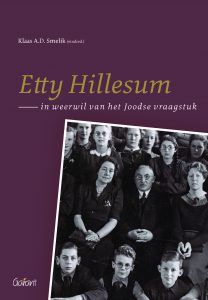
Het Joodse vraagstuk interesseerde Etty Hillesum niet bijzonder, totdat de Duitse bezetting hierin verandering bracht. Haar vader, dr. Louis Hillesum, werd op 29 november 1940 als rector van het Deventer gymnasium afgezet wegens zijn Joodse afkomst. Bij wijze van afscheid werd een foto van de schoolgemeenschap gemaakt met Hillesum in het midden. Met de gevolgen van de Duitse bezetting werd Etty Hillesum echter al eerder dat jaar geconfronteerd, toen zij te horen kreeg dat haar hoogleraar Bonger zelfmoord had gepleegd. Haar verbijstering was groot, want een uur eerder had zij nog samen met hem gesproken over de toekomst van Europa.
Als Etty Hillesum op 15 juli 1942 haar oproep krijgt, laat zij zich overhalen om bij de Joodse Raad te gaan werken. Tegen haar zin, omdat zij negatief oordeelde over de Joodse Raad en over elke poging om zich aan het ‘Massenschicksal’ van het Joodse volk te onttrekken. Daarom is het interessant om haar visie te vergelijken met die van haar vriendin Leonie Snatager, die wel voor onderduiken heeft gekozen. Ook de vergelijking tussen de oorlogsdagboeken van Hélène Berr en Etty Hillesum levert interessante overeenkomsten en verschillen op. Beiden wilden niet dat hun leven door de omstandigheden zou worden bepaald. In het geval van Etty Hillesum gold dit ook toen zij afscheid moest nemen van haar grote leidsman, vriend en minnaar Julius Spier. Zij liet zich door zijn dood niet van het pad afbrengen dat zij met zijn hulp was ingeslagen. Hierbij is de invloed van Meister Eckehardt merkbaar. Zo slaagde Etty Hillesum erin alles los te laten wat haar hinderde in haar queeste.
Over de auteur(s):
De serie Etty Hillesum Studies is een uitgave van het Etty Hillesum Onderzoekscentrum in Middelburg en staat onder redactie van Klaas A.D. Smelik, Marja Clement, Meins G.S. Coetsier, Janny van der Molen, Gerrit Van Oord en Jurjen Wiersma.
Etty Hillesum weer thuis in Middelburg
(EHS, vol. 7)
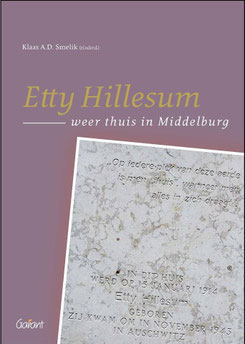
De titel van het zevende deel van de serie Etty Hillesum Studies verwijst naar de opening van het Etty Hillesum Onderzoekscentrum te Middelburg op 1 oktober 2015. Zo is de stad, waar Etty Hillesum op 15 januari 1914 werd geboren, een knooppunt geworden voor het internationale onderzoek naar haar persoon en nagelaten geschriften. De bundel wordt geopend met de toespraak die de Middelburgse burgemeester bij de opening van het centrum hield, gevolgd door een studie over Hillesums taalgebruik: welke stijlmiddelen wendde zij aan? Haar beperkte mogelijkheden om zich te handhaven in een tijd van vervolging en haar wens om kroniekschrijfster van het kamp Westerbork te worden zijn het onderwerp van twee studies, waarin haar confrontatie met het nationaalsocialisme centraal staat. In een volgende bijdrage wordt een vergelijking getrokken tussen Etty Hillesum en de auteur die haar het meeste heeft geïnspireerd: Rainer Maria Rilke, en in een tweede bijdrage de verschillen tussen haar en de Italiaanse schrijver Primo Levi, als het gaat om hun visie op de Sjoa. Twee artikelen handelen over aspecten van Hillesums geheel eigen vorm van religiositeit en de actualiteit daarvan voor het heden. Het biografische onderzoek naar Etty Hillesum, haar familie en haar omgeving levert steeds nieuwe resultaten op, zoals blijkt uit de bijdrage over Spiers verloofde Hertha Levi en die over de Hillesum stamboom. Ook het onderzoek naar het boek ‘Levenskunst’, waarin Etty Hillesum en Henny Tideman eens gevleugelde woorden hebben opgetekend, wordt voortgezet. Een boekbespreking besluit dit deel, waarin opnieuw zeer verschillende aspecten van het wereldwijde Etty Hillesum onderzoek aan de orde komen.
Etty Hillesum 1914-2014 (EHS, vol. 6)

The series "Etty Hillesum Studies" is a yearly publication of the Etty Hillesum Research Centre (EHOC) of Ghent University and is edited by Klaas A.D. Smelik, Gerrit Van Oord, Meins G.S. Coetsier, Denise de Costa, Janny van der Molen and Jurjen Wiersma.
Het zesde deel van de serie Etty Hillesum Studies, dat eind november zal verschijnen, kent verschillende zwaartepunten.
De eerste drie bijdragen geven – elk vanuit een andere invalshoek – meer inzicht in Hillesums visie op de problemen van haar tijd. Het is opmerkelijk hoe actueel haar gedachten zijn – reden waarom nu zoveel lezers er zich door voelen aangesproken. Auteurs: Denise de Costa, Klaas Smelik en Bettine Siertsema.
Daarnaast gaat het om de spiritualiteit van Etty Hillesum, een onderwerp dat met name in Italië grote aandacht heeft. Haar zoektocht naar de naam van God komt in een vanuit het Italiaans vertaald artikel van Isabella Adinolfi aan de orde, terwijl in de bijdrage van Ria van den Brandt de invloed van Hillesums lichaam op haar spirituele ontwikkeling in kaart wordt gebracht.
In de derde plaats is er uitgebreid aandacht voor de vondst van twee nieuwe brieven uit de correspondentie tussen Etty Hillesum en haar leermeester Julius Spier. Auteurs: Ria van den Brandt, Denise de Costa en Alexandra Nagel.
Voorts wordt in twee bijdragen een vergelijking getrokken tussen Etty Hillesum en twee belangrijke auteurs die haar hebben geïnspireerd: Aurelius Augustinus en Walter Rathenau. Auteurs: Meins Coetsier en Jurjen Wiersma.
De laatste bijdrage, geschreven door Alexandra Nagel, gaat over Hillesums studiegenoot en verzetsman Jan Bool. Etty Hillesum zag het als een uitdaging om juist hem te overtuigen van haar ideeën over haat en vijandschap, die in dit zo gewelddadige jaar 2014 buitengewoon relevant blijken te zijn.
Etty Hillesum: The Complete Works
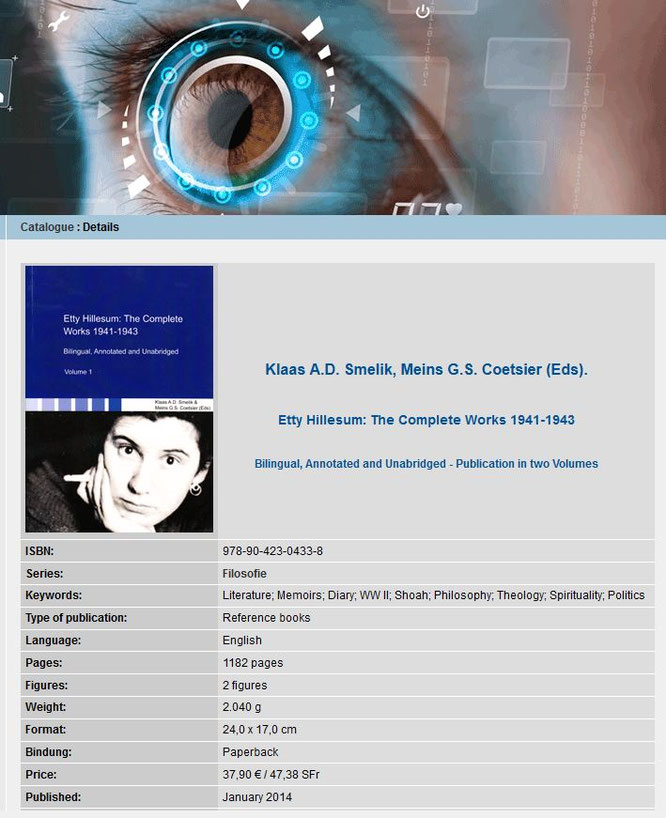
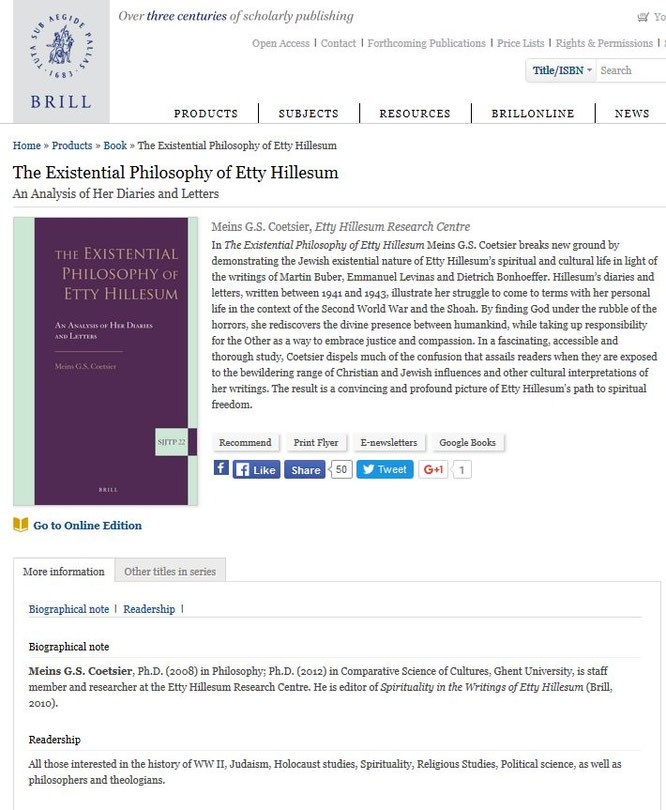
The Existential Philosophy of Etty Hillesum: an Analysis of her Diaries and Letters
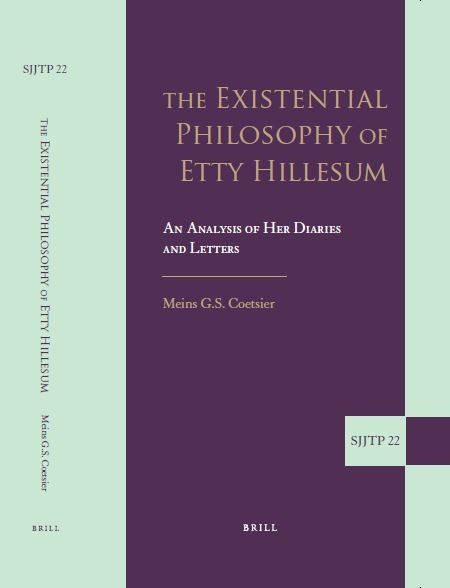
Coetsier, Meins G.S. The Existential Philosophy of Etty Hillesum: an Analysis of her Diaries and Letters (Supplements to the Journal of Jewish Thought and Philosophy). Boston: Brill, 2014, 623pp.
Coetsier's monograph The Existential Philosophy of Etty Hillesum: an Analysis of her Diaries and Letters came out early January 2014, with the celebration of 100 years Etty Hillesum.
ETTY HILLESUM STUDIES V - Academia Press 2013

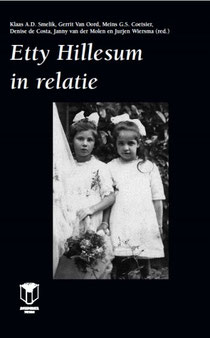
Coetsier, Meins G.S., Etty Hillesum in relatie (Etty Hillesum Studies, V). Eds. Klaas A.D. Smelik, Gerrit Van Oord, Meins G.S. Coetsier, Denise de Costa, Janny van der Molen and Jurjen Wiersma, Ghent: Academia Press, 2013, 227pp.
Het vijfde deel van de serie Etty Hillesum Studies kent drie zwaartepunten. Allereerst gaat het om de plaats van Hillesums dagboeken in relatie tot andere egodocumenten van Nederlandse Joden die met de Sjoa werden geconfronteerd, en de eigen manier waarop Etty Hillesum met deze levensbedreigende ontwikkelingen is omgegaan. Drie bijdragen geven elk vanuit een andere invalshoek meer inzicht in deze materie, die van groot belang is voor het verstaan van Etty Hillesums denken in relatie tot het tijdsgewricht waarvan zij de kroniekschrijfster wilde zijn. In de tweede plaats twee bijdragen waarin een vergelijking wordt getrokken tussen Etty Hillesum en twee geestverwanten: Dorothee Sölle en Emmanuel Levinas. Alle drie hebben zij een helder antwoord gegeven op de uitdagingen van hun tijd en zijn zij de confrontatie met structurele ontmenselijking aangegaan. De vergelijkingen met Sölle en Levinas tonen de relevantie van Etty Hillesums visie op het vraagstuk hoe tot een menselijker samenleving te komen. In de derde plaats is er uitgebreid aandacht voor de Winschoter tijd van de familie Hillesum in de jaren 1918-1924. Vergeleken bij de tijd in Deventer is deze periode onderbelicht gebleven, hoewel het gaat om een cruciale periode in zowel het leven van Etty als haar vader Louis Hillesum. Hun relatie tot de kleinsteedse atmosfeer die in het Groningse Winschoten heerste, ook onder de relatief grote Joodse gemeenschap, en hun vriendschappen komen aan het licht. Vier bijdragen handelen over dit onderwerp; onder meer twee essays van de bekende Joodse historicus Jaap Meijer, die hier – van annotaties voorzien – worden herdrukt. Een laatste bijdrage gaat over de relatie tussen Etty Hillesum en Hes Hijmans, die ook tot de kring rondom Julius Spier behoorde. Een achttal illustraties sluit dit eerste lustrum deel van de Etty Hillesum Studies af.
ETTY HILLESUM STUDIES IV - Academia Press 2012
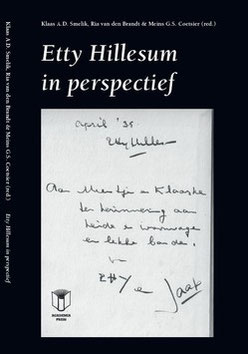
Coetsier, Meins G.S., Etty Hillesum in perspectief (Etty Hillesum Studies, IV). Eds. Klaas A.D. Smelik, Ria van den Brandt, and Meins G.S. Coetsier. Ghent: Academia Press, 2012, 167pp.
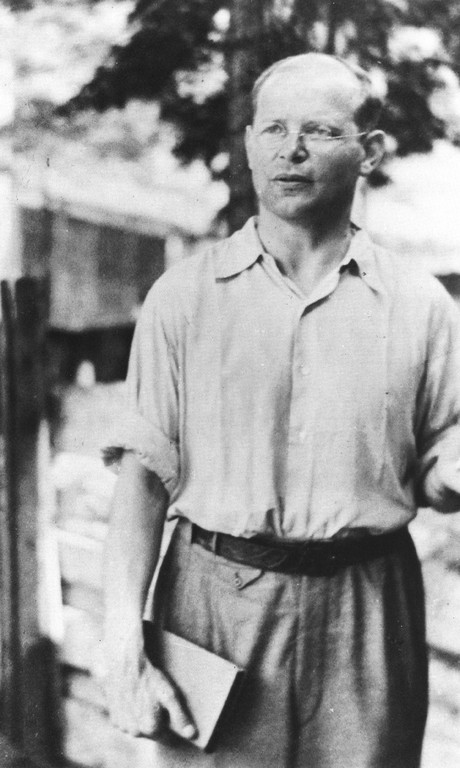
Het vierde deel van de serie Etty Hillesum Studies kent twee zwaartepunten. Aan de ene kant drie bijdragen waarin een vergelijking wordt getrokken tussen Etty Hillesum en drie tijdgenoten: Dietrich Bonhoeffer, Martin Buber en Sophie Scholl. Alle vier hebben zij een helder antwoord gegeven op de uitdagingen van hun tijd, een antwoord dat voor de naoorlogse generatie van betekenis is gebleven. De vergelijking met Dietrich Bonhoeffer, Martin Buber en Sophie Scholl plaatst Etty Hillesum in een historisch zowel als cultuurfilosofisch perspectief.
Aan de andere kant zijn in dit deel drie bijdragen opgenomen over nieuwe tekstvondsten in verband met Etty Hillesum, haar familie en haar leermeester Julius Spier. Aan de hand van een dedicatie in een boek dat Etty Hillesum aan de schrijver Klaas Smelik en zijn toenmalige vrouw ten geschenke gaf, krijgen wij meer duidelijkheid over de gang van zaken bij de eerste ontmoeting tussen Etty Hillesum en Klaas Smelik sr. De vondst van de zogenaamde protocollen, die onder meer door Etty Hillesum werden uitgetypt en ook in de dagboeken worden genoemd, geeft een eerste aanzet tot verdergaand onderzoek naar Spiers bijdrage aan de psychochirologie. Dankzij de goede zorgen van Christine van Nooten zijn er naast brieven van Etty Hillesum ook brieven en briefkaarten van haar ouders en haar broer Mischa bewaard gebleven. Deze documenten, in dit deel in hun geheel gepubliceerd, geven een indringend beeld hoe in 1943 het net zich om de familie Hillesum sloot. Ook deze nieuwe tekstvondsten plaatsen de nagelaten geschriften van Etty Hillesum in perspectief.
Drie andere bijdragen in verband met Etty Hillesum en een tiental illustraties sluiten dit vierde deel af.
Inleiding
Jurjen Wiersma
Etty Hillesum en Dietrich Bonhoeffer: Er zijn met en er zijn voor anderen
Marta Perrini
Parallellen tussen Etty Hillesum en Sophie Scholl
Meins G.S. Coetsier
Dialogisch leven in tijden van “Godsverduistering”: Martin Buber en Etty Hillesum
Klaas A.D. Smelik
Romantiek aan de IJssel: De eerste ontmoeting tussen Etty Hillesum en Klaas Smelik senior
Alexandra Nagel
Protocollen en vellen boterhampapier: Inventarisatie van een verzameling handanalysen uit de school van Julius Spier
Gerrit Van Oord
Omnia salva: Brieven van Louis Hillesum en anderen aan Christine van Nooten
Klaas A.D. Smelik
Voorbij het vijanddenken: De visie van Etty Hillesum geplaatst in een Bijbels kader
Gerrit Van Oord
Historie en legende rondom het gezin van Louis en Riva Hillesum: Een beschouwing over Mischa’s spel en de ondergang van de familie Hillesum
Gerrit Van Oord
Rectificatie
Afbeeldingen
The series Etty Hillesum Studies are published by Academia Press in Ghent, Belgium. If you want to order the book, go to http://www.academiapress.be
| Ondertitel | Nee |
|---|---|
| Auteur/Red. | Hillesum Etty |
| ISBN | 9789038220673 |
| NUR | 680 - Geschiedenis algemeen |
| Pagina's | 167 |
| Editie | Nee |
| Jaar | 2012 |
FWO Research 2007-2011

Etty Hillesum and the Spiritual Search: An Analysis of the Diaries and Letters 1941-1943 in the light of Martin Buber, Emmanuel Levinas and Dietrich Bonhoeffer

Research Funding: FWO & Ghent University (2007-2011)
PhD: Comparative Science of Cultures, Ghent University
Title: “Etty Hillesum and the Spiritual Search: An Analysis of the Diaries and Letters 1941-1943 in the light of Martin Buber, Emmanuel Levinas and Dietrich Bonhoeffer”
Pages: 640 pp.
Publisher: University Press (October 20, 2011)
Language: English
ISBN: 978-90-7083-053-3
Author: Meins G.S. Coetsier (1977) is affiliated with the Research Foundation in Flanders (FWO) and is staff member at the Etty Hillesum Research Center (EHOC). He is author of Etty Hillesum and the Flow of Presence: A Voegelinian Analysis (Columbia, MO: University of Missouri Press, 2008). The co-editor of Spirituality in the Writings of Etty Hillesum: Proceedings of the Etty Hillesum Conference at Ghent University, November 2008, Supplements to the Journal of Jewish Thought and Philosophy (Boston, MA: Brill, 2010). He has published several chapters, articles and conference proceedings on Etty Hillesum, and was co-organizer of the first international Etty Hillesum Conference at Ghent University in 2008.
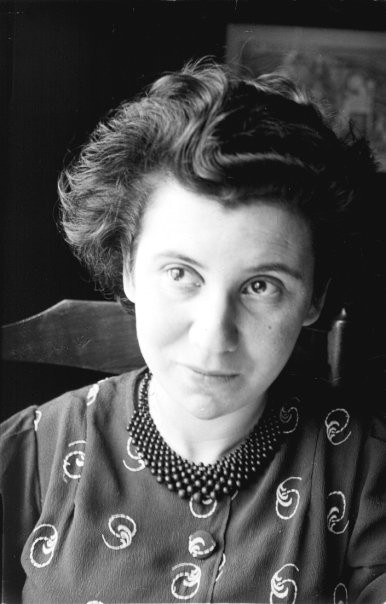
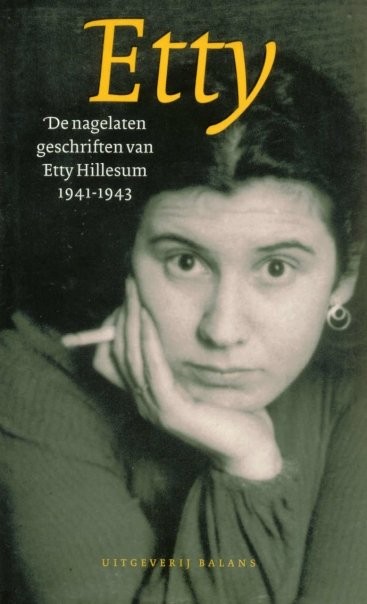
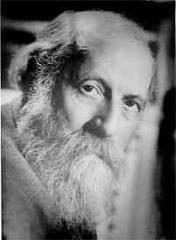
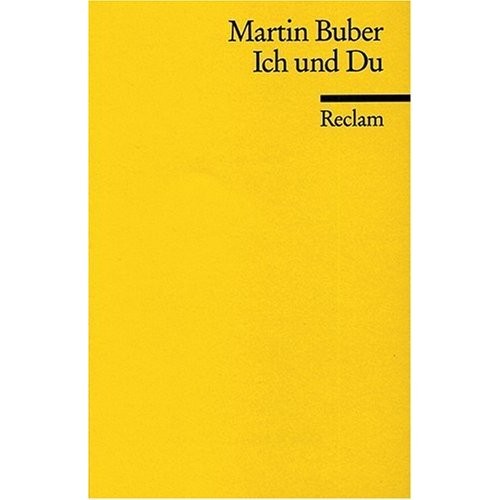
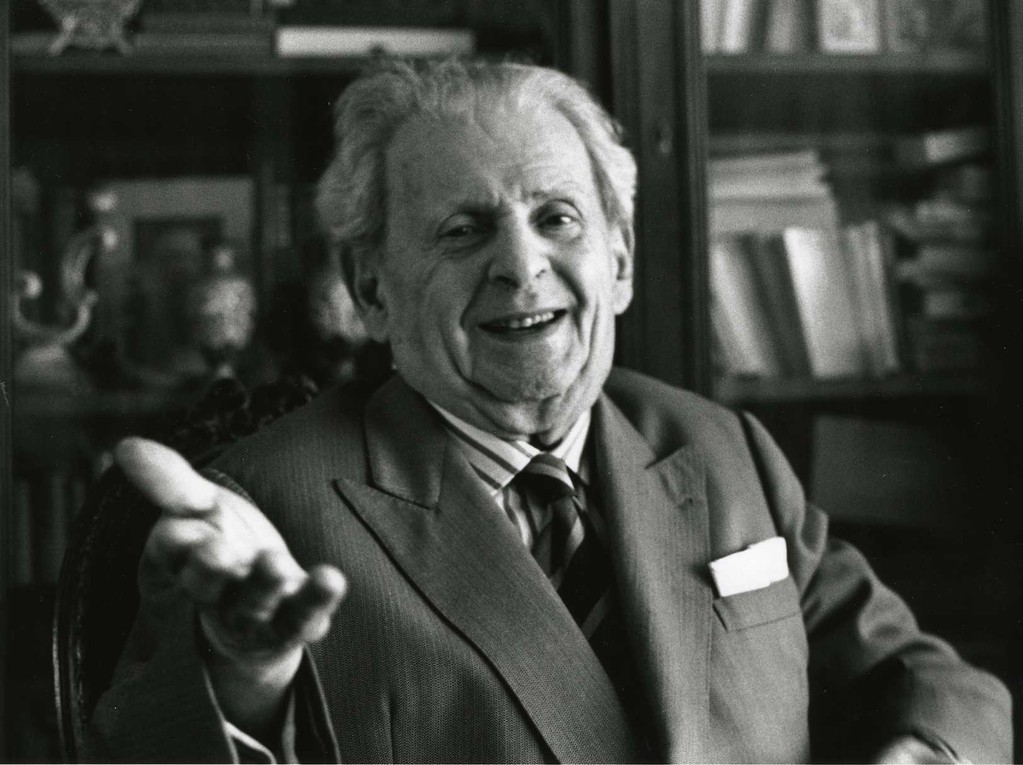
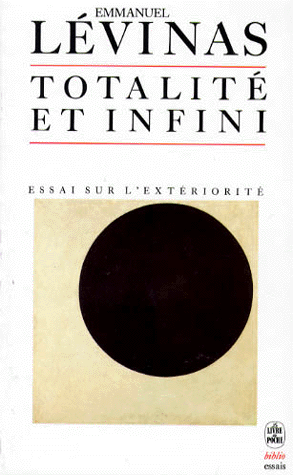
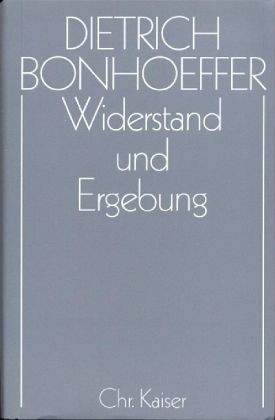


ETTY HILLESUM AND THE SPIRITUAL SEARCH
An Analysis of the Diaries and Letters 1941-1943 in the light of
Martin Buber, Emmanuel Levinas and Dietrich Bonhoeffer
The comparative study Etty Hillesum and the Spiritual Search breaks new ground by demonstrating the Jewish existential nature of Etty Hillesum’s spiritual and cultural life in the light of the writings of Martin Buber, Emmanuel Levinas and Dietrich Bonhoeffer. Much of the disputed theological literature on Etty Hillesum has emphasized her as a Christian writer, mystic or martyr. But as the dissertation argues, such a reading overlooks the extent to which Etty Hillesum was already intuitively resonating with Jewish spiritual experience in a life that was culturally shaped by the totalitarian Nazi regime. Hillesum’s diaries and letters illustrate the struggle of her spirit to come to terms with her personal life in the context of the Second World War. Her consciousness was formed by a rediscovery of the divine presence in the relationship between man and man, leading to a direct conversation with God. Hillesum took responsibility for the Other as a way to embrace justice and compassion. Some studies on Hillesum’s spirituality summarize her writings in the light of Christian literature, culture and tradition. This dissertation, on the other hand, provides a framework for understanding Hillesum’s spiritual search as a Jewish existential path to God within the wider cultural context. The study seeks to dispel some of the confusion that assails readers when they are exposed to the bewildering range of Christian and other cultural interpretations of the diaries and letters. This work represents a spiritual search within an intercultural environment that will resonate with the contemporary world.
2012 Doctorate Defense at Ghent University
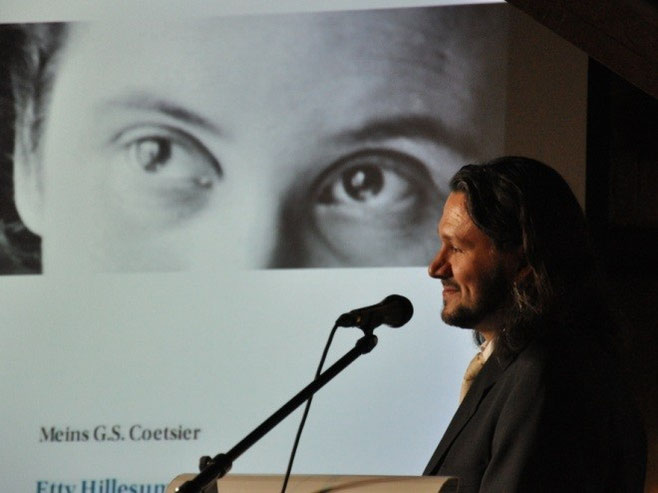
Hillesum and the Spiritual Search: an Analysis of the Diaries and Letters 1941-1943 in the light of Martin Buber, Emmanuel Levinas and Dietrich Bonhoeffer
Doctoraatsverdediging
Promovendus/a: Meins Coetsier
Faculteit Faculteit Letteren en Wijsbegeerte
Vakgroep: Vakgroep Talen en Culturen van het Nabije Oosten en Noord-Afrika
Academische graad: Doctor in de Vergelijkende Cultuurwetenschap
Taal proefschrift: Engels
Promotor(en): Prof. Dr. K. Smelik, Vakgroep Talen en Culturen van het Nabije Oosten en Noord-Afrika - Prof. Dr. H. Pinxten, Vakgroep Vergelijkende Cultuurwetenschappen, Prof. Dr. D. Pollefeyt, KUL
Examencommissie Voorzitter: Prof. Dr. M. Demoor, vakgroep letterkunde
Wanneer: vrijdag 13 januari 2012, 10:00
Waar: Het Pand, zaal rector Blancquaert, Onderbergen 1, 9000 Gent

Eric Voegelin's Philosophy of Luminous Participation in the Transcendent Ground of Being
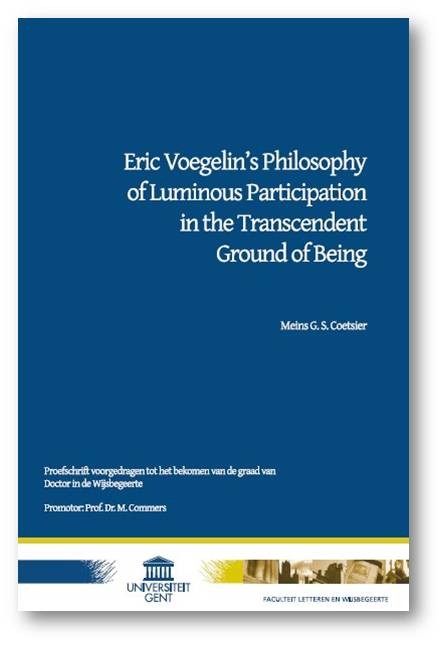
The dissertation investigates the works of the German-American philosopher Eric Voegelin (1901-1985), who after criticizing Nazi racism was forced to flee from Austria to the United States, following the Anschluss in 1938. Coetsier illustrates how as a native German Voegelin had to find an answer to this central experiential problem, the burning question: What went wrong, that Adolf Hitler could rise to power? What are the consequences? Voegelin had to come to terms with his own German past and whether he, although consistently rejecting National Socialism, shared any individual guilt for crimes committed in the name of the German people. Coetsier traces his intense awareness of Europe’s need for radical spiritual reform, after his experience of the intellectual and general breakdown of Europe, before and during the Second World War. Voegelin’s analysis of movements such as Communism, Fascism, National Socialism, and racism had made it clear to him that the centre of a philosophy of politics had to be a theory of consciousness. In search of his humanity and in acceptance of his own past, Voegelin developed a philosophy of luminous participation in the transcendent ground of being, which reflects his notion that we are not detached spectators but engaged in reality through participation. We participate in this world and one language expresses this, but we also participate in another world, in a divine reality, and the language of this world is metaphorised to express this other kind of participation in this other dimension of reality, which for Voegelin is the transcendent ground of being.
2008 Doctorate Defense at Ghent University
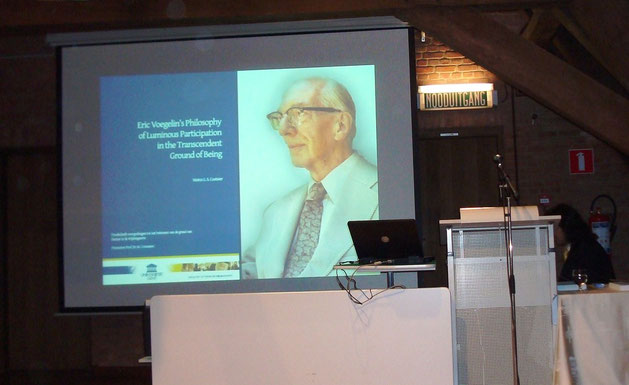

Vrijdag 7 maart 2008
Faculteit Letteren en Wijsbegeerte
Promovendus: Meins Coetsier
Academische graad: Doctor in de Wijsbegeerte
Titel proefschrift: Eric Voegelin's Philosophy of Luminous Participation in the Transcendent Ground of Being
Promotor: prof. dr. Martin Commers,
Vakgroep: Wijsbegeerte en moraalwetenschap
Plaats en tijdstip verdediging: Het Pand, zaal rector Blancquaert, Onderbergen 1, 9000 Gent, 10u